 homepage | the beginning of


Navigating Software Licensing: FOSS vs. Closed Source
In the rapidly evolving landscape of information technology, understanding the fundamental differences between software licensing models is crucial for both developers and enterprises. The choice between Free and Open Source Software (FOSS) and Closed Source (Commercial) models dictates not only the cost but also the flexibility, security, and long-term viability of a technical solution.
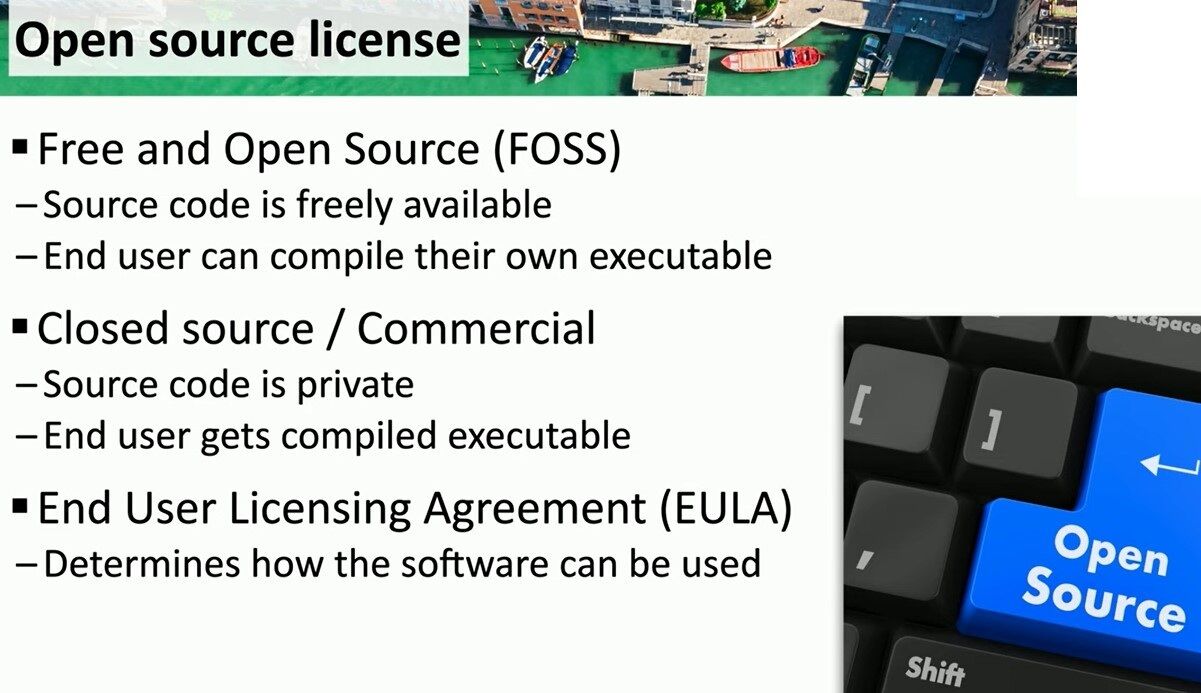
Free and Open Source (FOSS)
The hallmark of FOSS is transparency. Under this license, the source code is made publicly available, granting users the freedom to inspect, modify, and distribute it. One of the most significant advantages for technical experts is the ability to compile their own executables. This ensures that the software can be audited for security vulnerabilities and customized to meet specific architectural requirements without being tethered to a single vendor’s roadmap.
Closed Source and Commercial Solutions
Conversely, Closed Source or Commercial software keeps the source code private. The end user receives only the compiled executable, meaning the inner workings of the application remain a “black box.” While this model often provides dedicated support and polished user experiences, it relies heavily on the vendor for updates, patches, and feature developments.
The Role of the EULA
Regardless of the model, the End User Licensing Agreement (EULA) serves as the legal backbone. It determines exactly how the software can be utilized, defining the boundaries of installation, redistribution, and liability.
Choosing the right license is a strategic decision that balances control with convenience.
For more insights into technical consultancy and IT trends, visit my blog: https://matteocasiraghi.it
#OpenSource #SoftwareDevelopment #TechConsulting
 the beginning of matching tips
Leave a comment