 homepage | the beginning of


When a cybersecurity incident strikes, chaos can easily take over. But here’s the golden rule that separates standard IT teams from elite cyber responders: if you didn’t document it, it didn’t happen! 📝
Effective incident response documentation isn’t just tedious paperwork—it’s your organization’s ultimate shield, a legal necessity, and a vital roadmap for future defense.
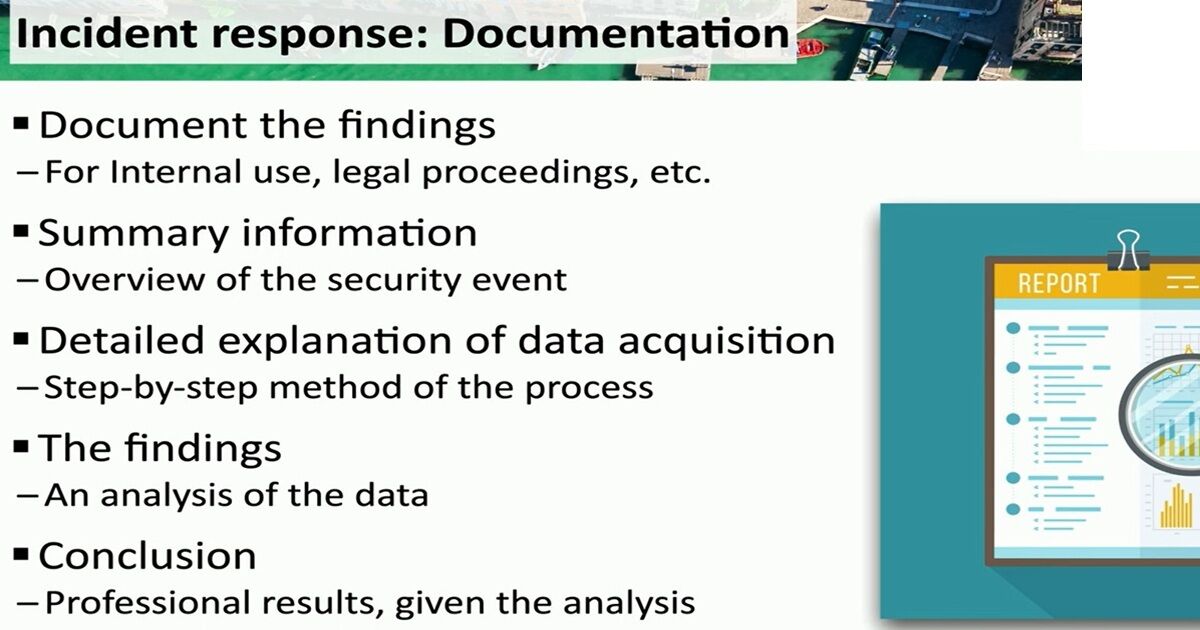
Whether you are dealing with a minor malware infection or a complex network breach, structuring your incident report properly is paramount. Based on core forensic standards, here is the ultimate blueprint to follow:
🔹 Document the Findings: Keep a flawless, timestamped log of everything discovered. This documentation is critical not just for internal tech reviews, but also for compliance audits and potential legal proceedings.
🔹 Summary Information: Provide a clear, concise overview of the security event. Corporate stakeholders need to understand the impact instantly without drowning in technical jargon.
🔹 Detailed Data Acquisition: Explain your exact, step-by-step collection method. Detailing how evidence was gathered preserves the integrity of your data.
🔹 Data Analysis: Turn raw logs into meaningful insights. It’s time to analyze the data deeply to figure out exactly how the threat actors got in.
🔹 Professional Conclusion: Deliver actionable results and solid strategic recommendations based on your analysis to prevent the next attack.
Want to secure your digital infrastructure or optimize your IT processes? Let’s collaborate! Discover more technical guides, expert consulting, and tech insights directly on my website: https://matteocasiraghi.it 💡✨
 the beginning of matching tips
Leave a comment