 homepage | the beginning of

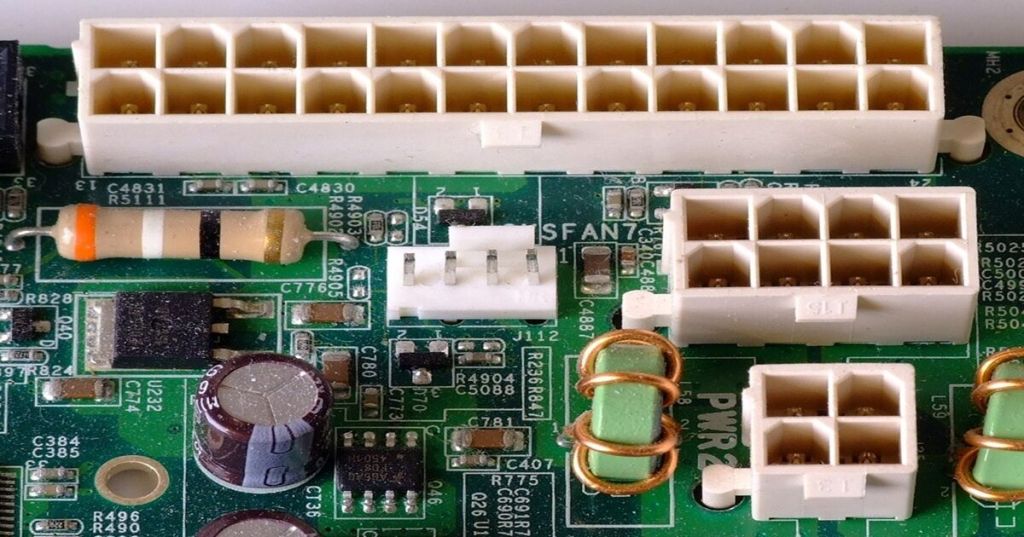
In the world of PC assembly and industrial hardware maintenance, the 24-pin ATX power connector is a ubiquitous component.
However, a closer inspection of its physical architecture reveals a sophisticated “keyed” design intended to prevent catastrophic electrical failures. As seen in detailed macro captures, the individual housings for each pin are not identical.
This deliberate geometric variation is the first line of defense in hardware integrity.
The Logic of Notches and Squares
When examining the 24-connector, you will notice that the plastic shrouds surrounding the female terminals follow a specific pattern of shapes.
Some pins are housed in perfectly squared-off chambers, while others feature distinct diagonal notches or chamfered corners. This system is known as “keying.”
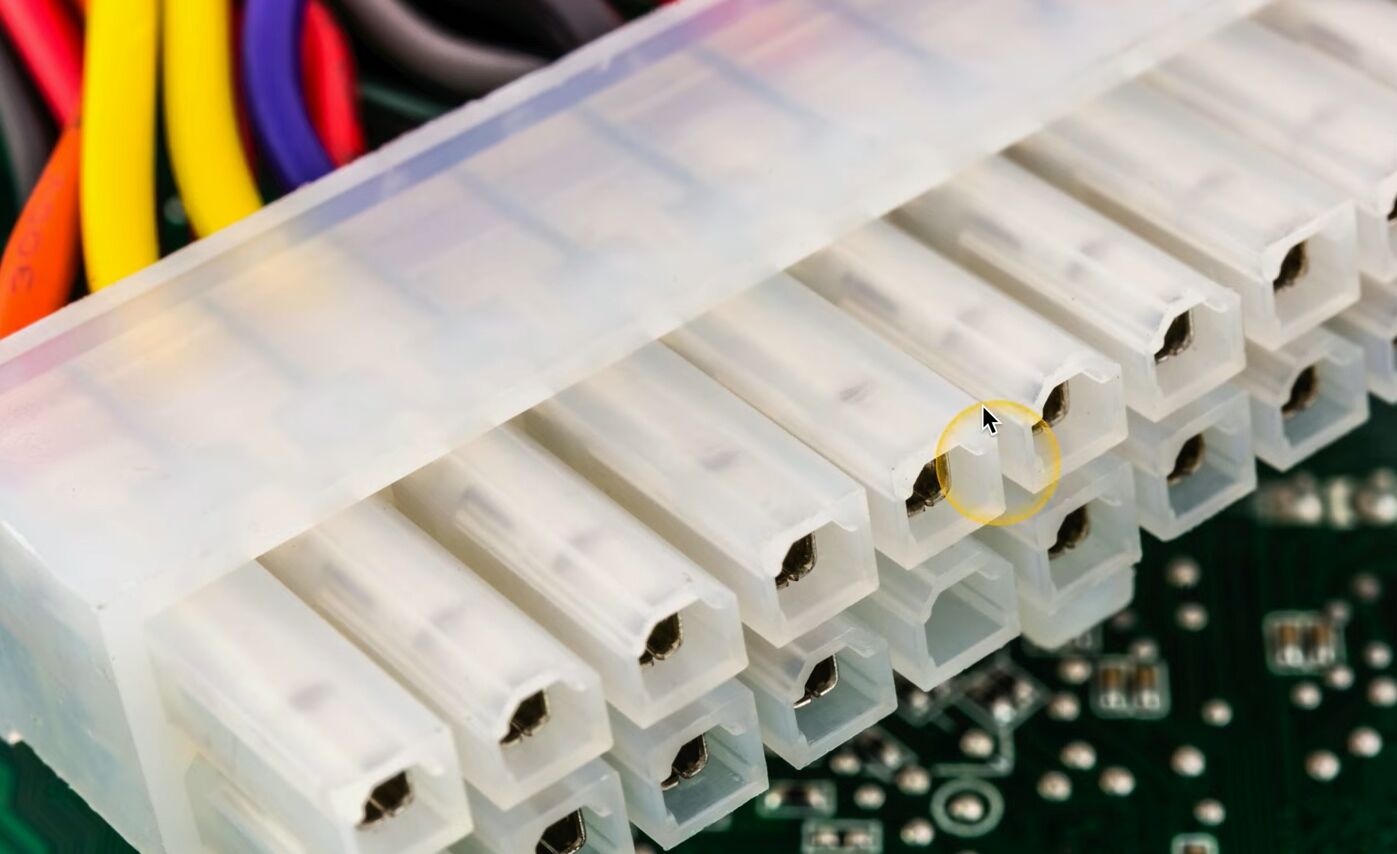
The arrangement of these shapes ensures that the connector can only be inserted in one specific orientation. This “fail-safe” mechanism prevents a technician or enthusiast from accidentally reversing the polarity or misaligning the 12V, 5V, and 3.3V rails, which would result in immediate motherboard damage.
Each pin has a specific role, from the PS_ON# signal to the diverse voltage lines. The physical notches match the corresponding male header on the motherboard perfectly.
Even within the same connector, the alternation between squares and hexagons creates a unique “topological map” that defines the ATX standard.
Understanding these nuances is essential for anyone dealing with custom cable pinning or troubleshooting power delivery issues.
For more in-depth technical insights and IT consultancy, visit my blog: https://matteocasiraghi.it
#PCBuilding #HardwareEngineering #TechTutorial
 the beginning of matching tips
Leave a comment