 homepage | the beginning of

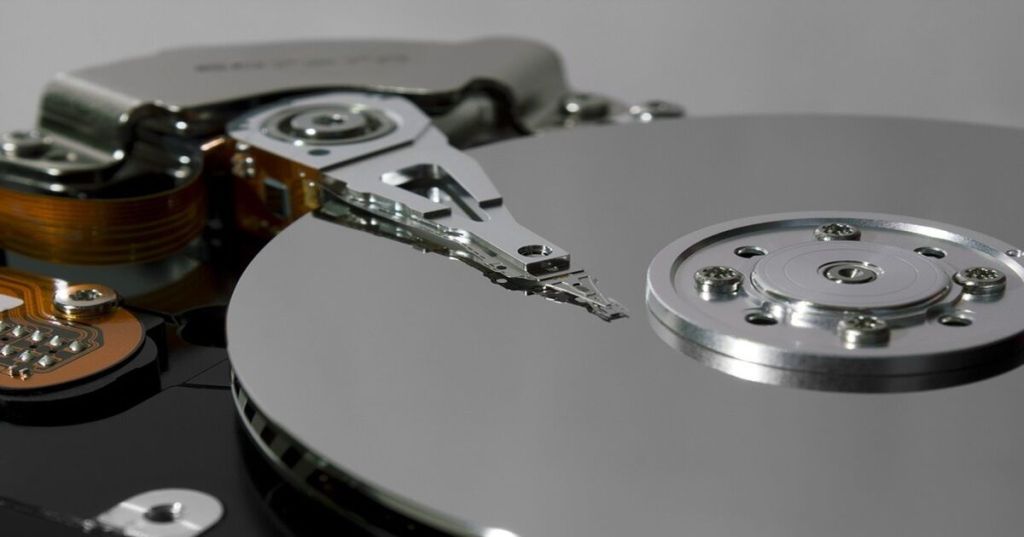
Delving into the fascinating world of computing, few components are as foundational yet often overlooked as the Hard Disk Drive (HDD).
While Solid State Drives (SSDs) have taken the spotlight in recent years, understanding the mechanics of an HDD offers invaluable insight into data storage.
At its core, an HDD is a marvel of electromechanical engineering.
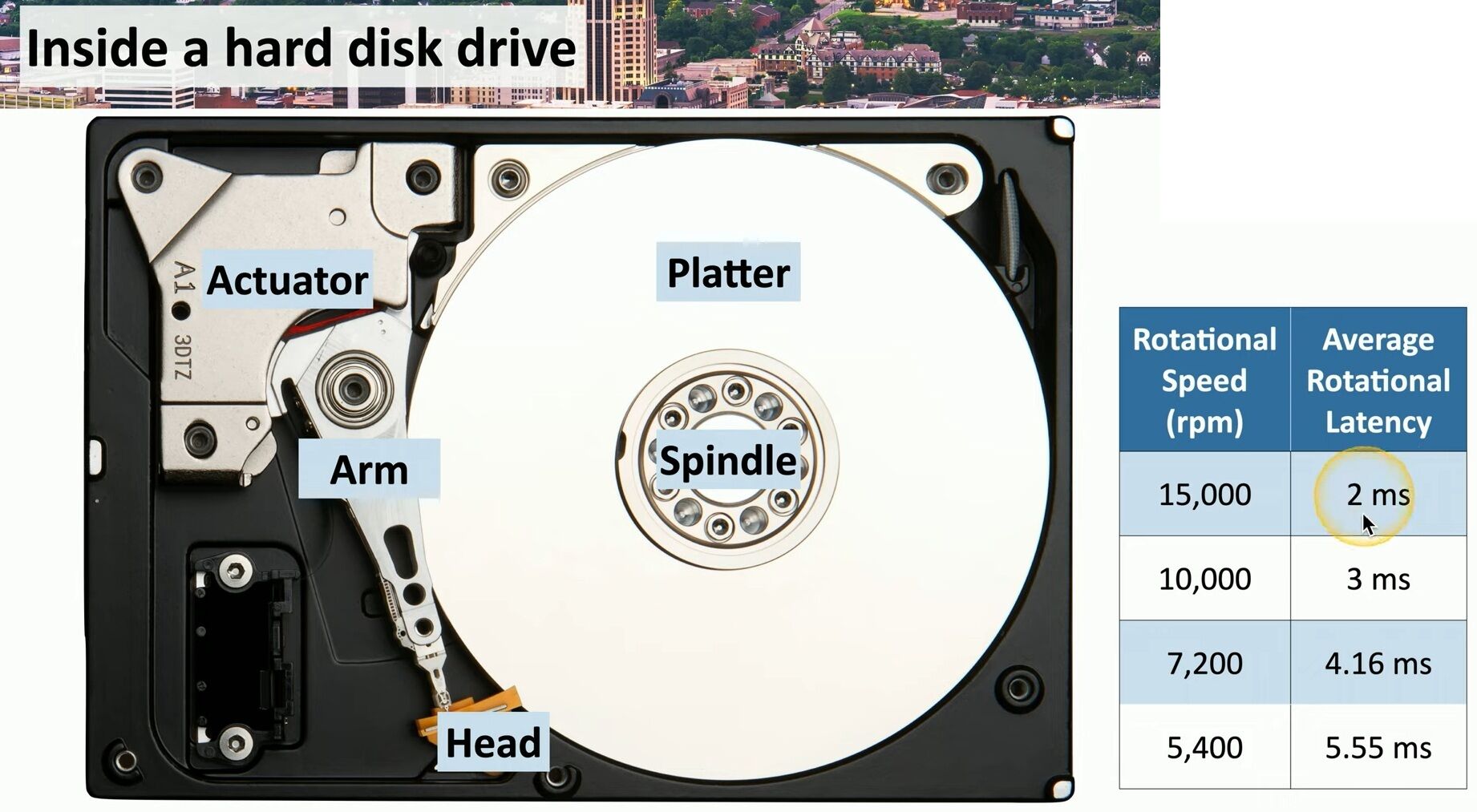
The image provides a fantastic overview of its key components.
Central to its operation is the Platter. These are highly polished, circular disks, typically made of glass or aluminum, coated with a magnetic material. This magnetic layer is where your data — every photo, document, and program — is stored in tiny magnetic domains. HDDs can have multiple platters stacked on top of each other, increasing their storage capacity.
Spinning these platters at incredible speeds is the Spindle. The rotational speed, measured in revolutions per minute (rpm), is a critical performance metric. As seen in the accompanying table, higher RPMs translate to lower average rotational latency.
For instance, a 15,000 RPM drive boasts a mere 2 ms latency, compared to 5.55 ms for a 5,400 RPM drive. This latency represents the average time it takes for the desired sector of data to rotate under the read/write head once the head has moved to the correct track. In essence, faster spinning means quicker access to your data.
Above the platters is the Arm, a sophisticated component that holds the Head.
The head, incredibly tiny and delicate, is responsible for reading and writing data to the magnetic platter.
It hovers just nanometers above the platter’s surface, never actually touching it.
This incredible precision is maintained by the Actuator, a voice coil motor that precisely positions the arm and head over the correct track on the platter. The speed and accuracy of the actuator directly impact the drive’s seek time – the time it takes for the head to move to the correct track.
When you request a file, the actuator quickly moves the arm to the track where the data resides. Then, the platter spins, and when the correct sector passes under the head, the data is either read or written. This intricate dance of mechanical parts and magnetic impulses is what allows HDDs to store and retrieve vast amounts of information.
While SSDs offer speed advantages due to their lack of moving parts, HDDs remain a cost-effective solution for mass storage, especially for archival purposes and large data centers.
#HardDiskDrive #DataStorage #ComputerHardware
Explore more tech insights on my website: https://matteocasiraghimc.wordpress.com
 the beginning of matching tips
Leave a comment