 homepage | the beginning of


🔐 What Is an Authentication Server and Why Does It Matter in Enterprise Security?
In any structured IT environment, authentication servers play a foundational role in ensuring secure access to resources. These servers act as gatekeepers, verifying user credentials and granting or denying access based on centralized policies.
At their core, authentication servers:
- Provide login authentication to shared resources
- Enable centralized user and credential management
- Ensure policy enforcement across a distributed network
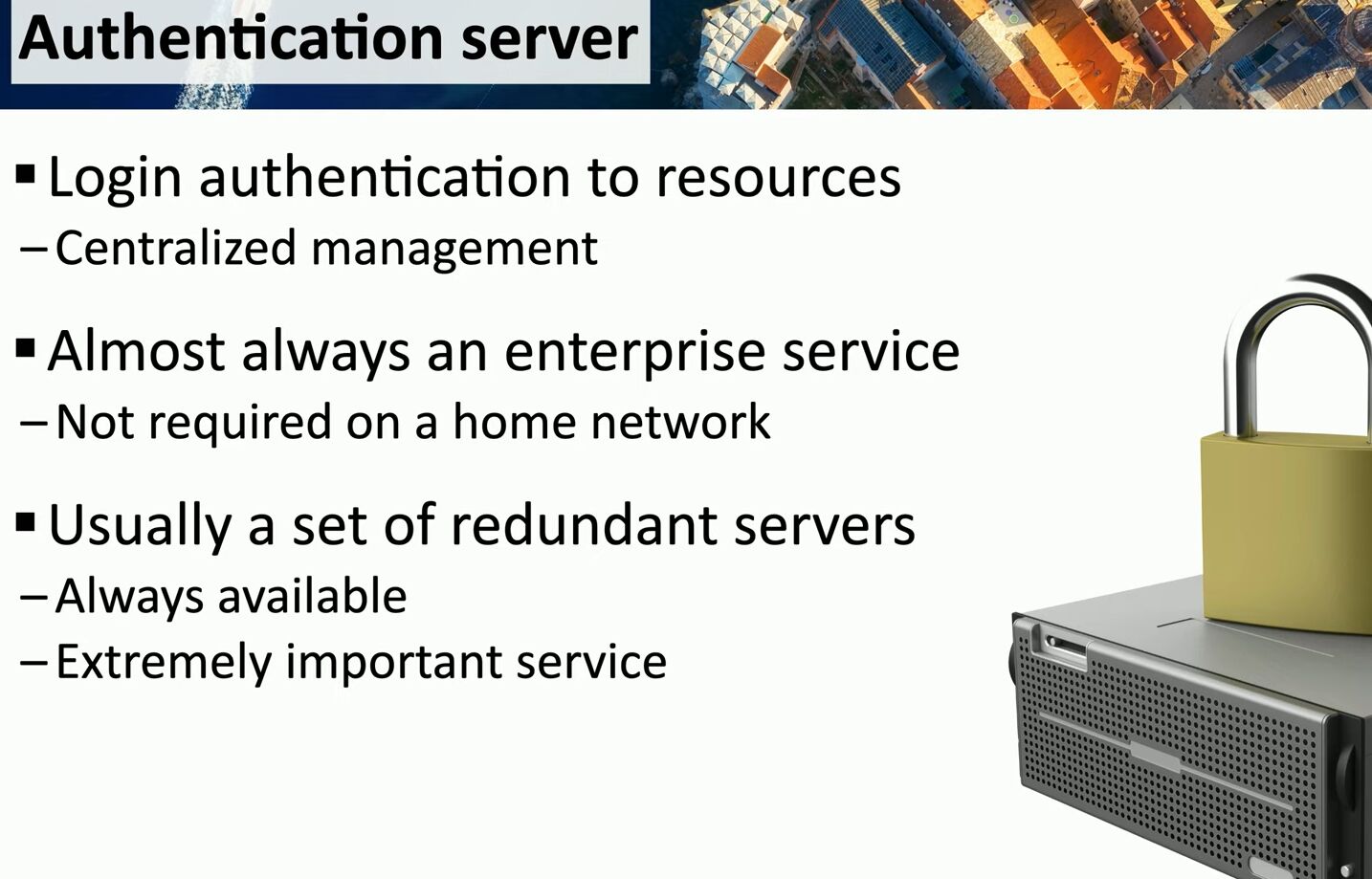
This kind of setup is almost always exclusive to enterprise environments. In fact, in a typical home network, authentication servers are rarely needed. Personal networks operate with local authentication methods—sufficient for limited access scenarios but unsuitable for scalable or secure business operations.
In enterprise contexts, authentication services (such as RADIUS, TACACS+, Kerberos, or Active Directory) must also guarantee high availability. That’s why these systems are usually deployed in redundant server sets. Redundancy ensures that even if one node fails, the service remains operational, preventing authentication bottlenecks that could paralyze access across the infrastructure.
Why is this so important? Because authentication is not optional—it is the very fabric of access control, identity validation, and operational continuity. If authentication fails, systems are locked down, productivity halts, and vulnerabilities may arise.
💡 Tip: Always audit the reliability and redundancy of your authentication infrastructure, especially in cloud-hybrid or high-access environments.
For more insights and enterprise-grade tips, visit Matching Tips.
#EnterpriseSecurity #AuthenticationServer #NetworkInfrastructure
 the beginning of matching tips
Leave a comment