 homepage | the beginning of


🔍 Zero-Day Vulnerabilities: What They Are and Why They Matter
In the cybersecurity landscape, vulnerabilities are discovered daily—some by ethical hackers who disclose them responsibly, others by malicious actors who keep them secret for exploitation. These hidden, unpatched flaws are known as zero-day vulnerabilities.
A zero-day refers to a software flaw that is unknown to those responsible for patching or fixing it.
Because the vulnerability hasn’t been disclosed, there are “zero days” to prepare or defend against an exploit targeting it.
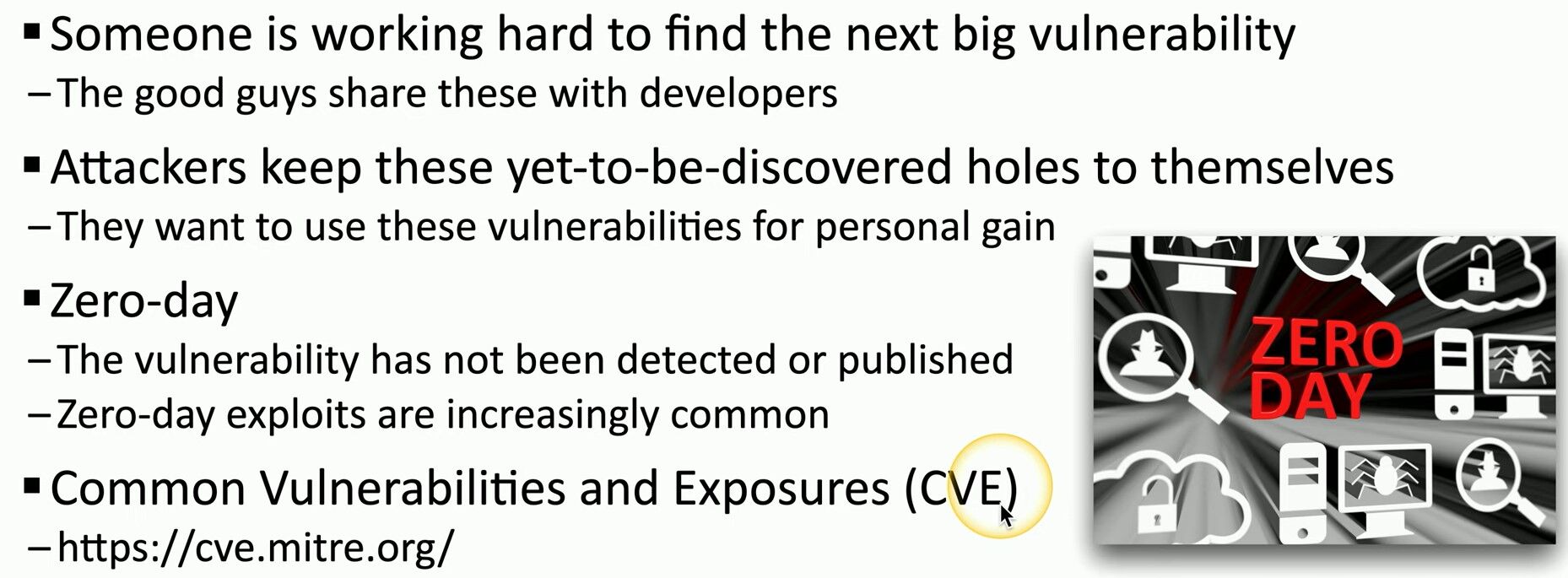
These attacks are particularly dangerous because:
- No known fix exists at the time of discovery
- They bypass traditional antivirus and firewall defenses
- They are increasingly sold in black markets to the highest bidder
Why should organizations care?
Zero-day exploits are often used in targeted attacks, affecting critical infrastructure, corporate data, and sensitive systems. Governments, large enterprises, and even small businesses can be victims. Modern security strategies must include behavioral analysis, threat intelligence sharing, and prompt software updates to reduce the risk exposure.
On the other hand, responsible security researchers collaborate with software vendors to patch these vulnerabilities before they can be exploited. Once disclosed, these flaws are tracked via the Common Vulnerabilities and Exposures (CVE) database—an essential resource for IT professionals.
📌 Stay informed and proactive, regularly monitor http://www.cve.org.
➡️ For more secure IT tips, visit Matching Tips
#ZeroDayExploit #CyberSecurityAwareness #VulnerabilityManagement
 the beginning of matching tips
Leave a comment