 homepage | the beginning of

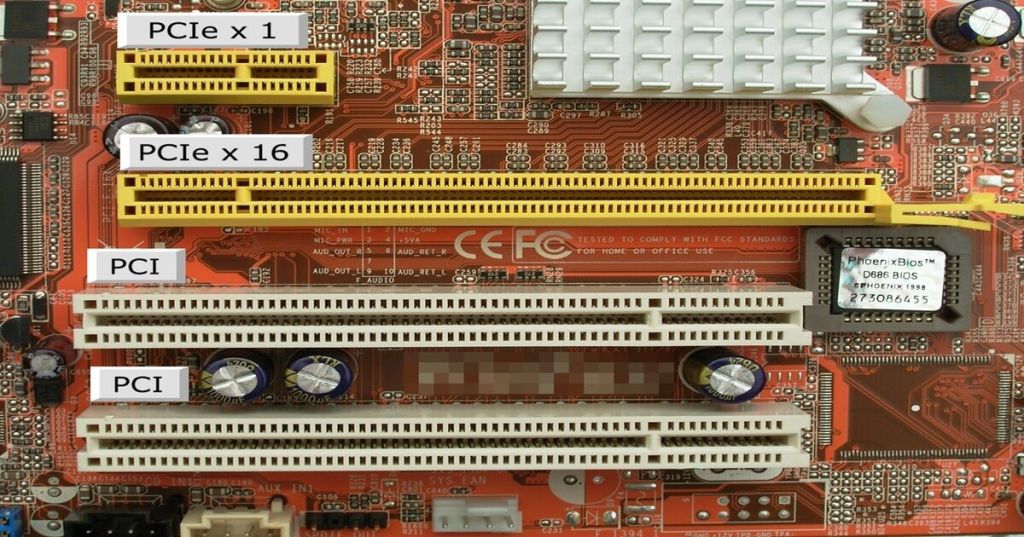
PCI Express Serial Communication: Understanding High-Speed Data Transfer
PCI Express (PCIe) is a high-speed serial communication standard essential for modern computing systems. It connects components like GPUs, SSDs, and network cards, enabling efficient data transfer and reducing latency. This article explains how PCIe works and why it’s a cornerstone of computer architecture.
How PCI Express Works
1. Point-to-Point Architecture
Unlike older bus-based systems, PCIe uses a point-to-point architecture, ensuring dedicated pathways between components. This eliminates bottlenecks and maximizes data transfer speeds.
2. PCI Express Lanes
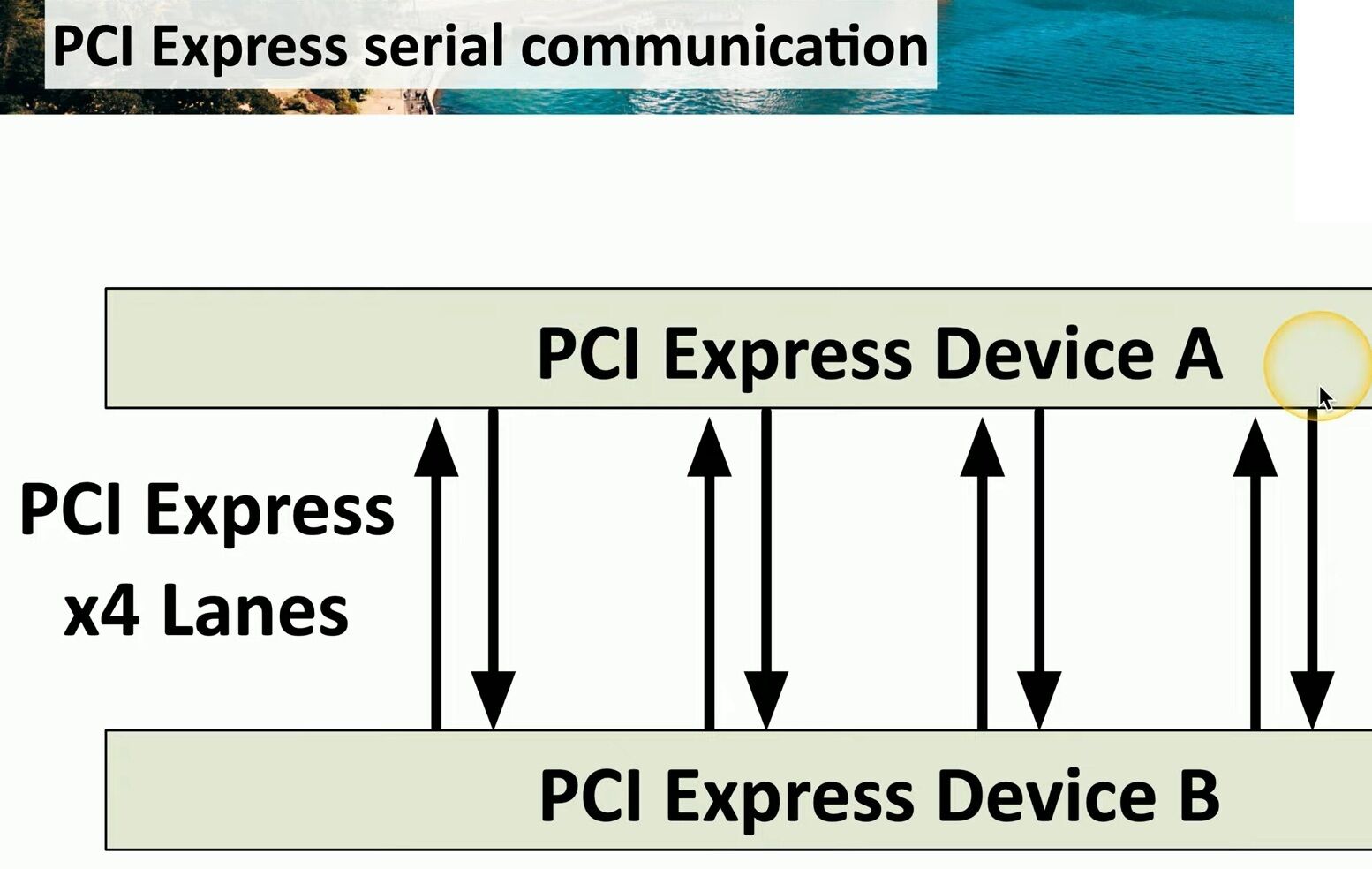
Data is transmitted via lanes, which consist of two pairs of wires: one for sending and one for receiving. A PCIe x4 configuration, for example, provides four lanes, offering higher bandwidth compared to x1 configurations.
3. Scalable Bandwidth
PCIe is scalable, allowing configurations with varying numbers of lanes (e.g., x1, x4, x8, x16) to meet different performance needs. The more lanes, the higher the data transfer rate.
4. Backward Compatibility
PCIe ensures backward compatibility, meaning newer motherboards can support older PCI devices. This feature provides flexibility and longevity for hardware investments.
Why PCI Express Matters
1. High-Speed Communication
PCIe’s serial communication ensures rapid data transfer, making it ideal for tasks requiring high bandwidth, such as gaming, video editing, and data analysis.
2. Energy Efficiency
With features like active power management, PCIe optimizes energy use, reducing heat generation and improving overall system efficiency.
3. Versatility
From desktop PCs to enterprise servers, PCIe supports a wide range of applications, making it a universal standard for connectivity.
Understanding PCI Express is crucial for anyone working with modern hardware. Its efficiency, scalability, and reliability make it indispensable for today’s technology-driven world.
For more practical tips and in-depth articles, visit my website here.
 the beginning of matching tips
Leave a comment