 homepage | the beginning of

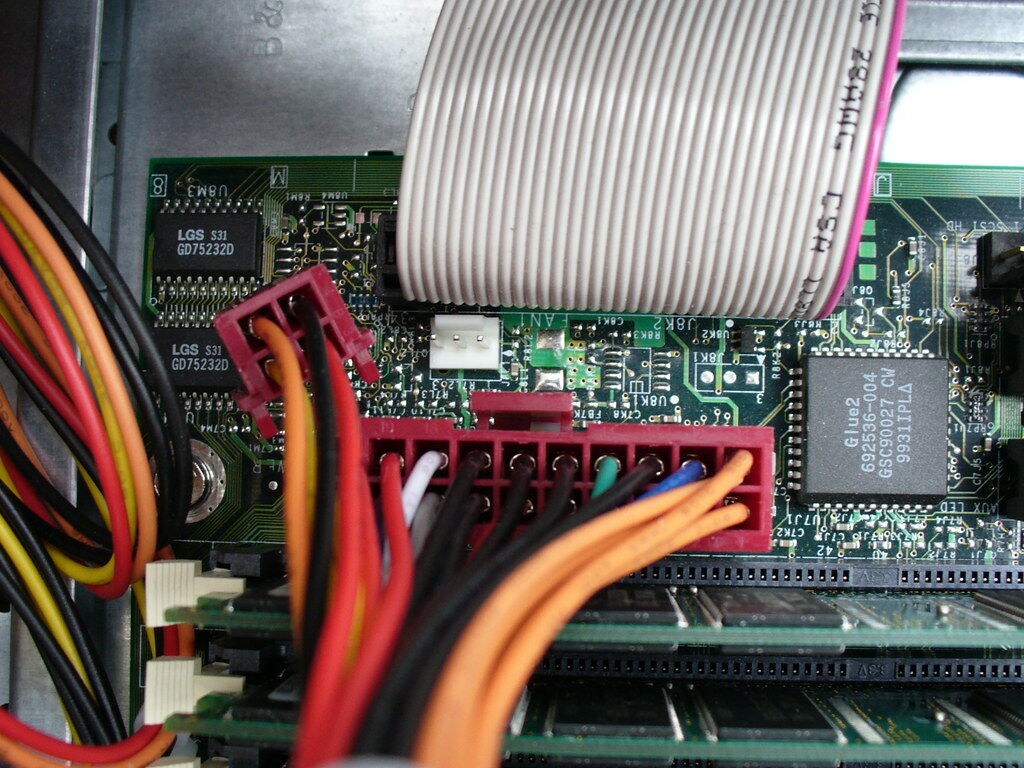
**Understanding the 24-Pin Motherboard Power Connector: Why It Matters**
The 24-pin motherboard power connector is the main source of energy for your motherboard. It provides crucial voltage levels that keep your system running smoothly: +3.3 V, +/-5 V, and +/-12 V. This power connector is essential because it supports all the critical functions of the motherboard, enabling communication between components and ensuring the system operates efficiently.
Historically, the original ATX standard only required a 20-pin connector. As systems advanced, especially with the introduction of PCI Express, an additional 4 pins were added, creating the 24-pin standard we use today. This upgrade allowed for better support of more power-hungry components, such as modern GPUs and CPUs, enhancing the overall performance and stability of the system.
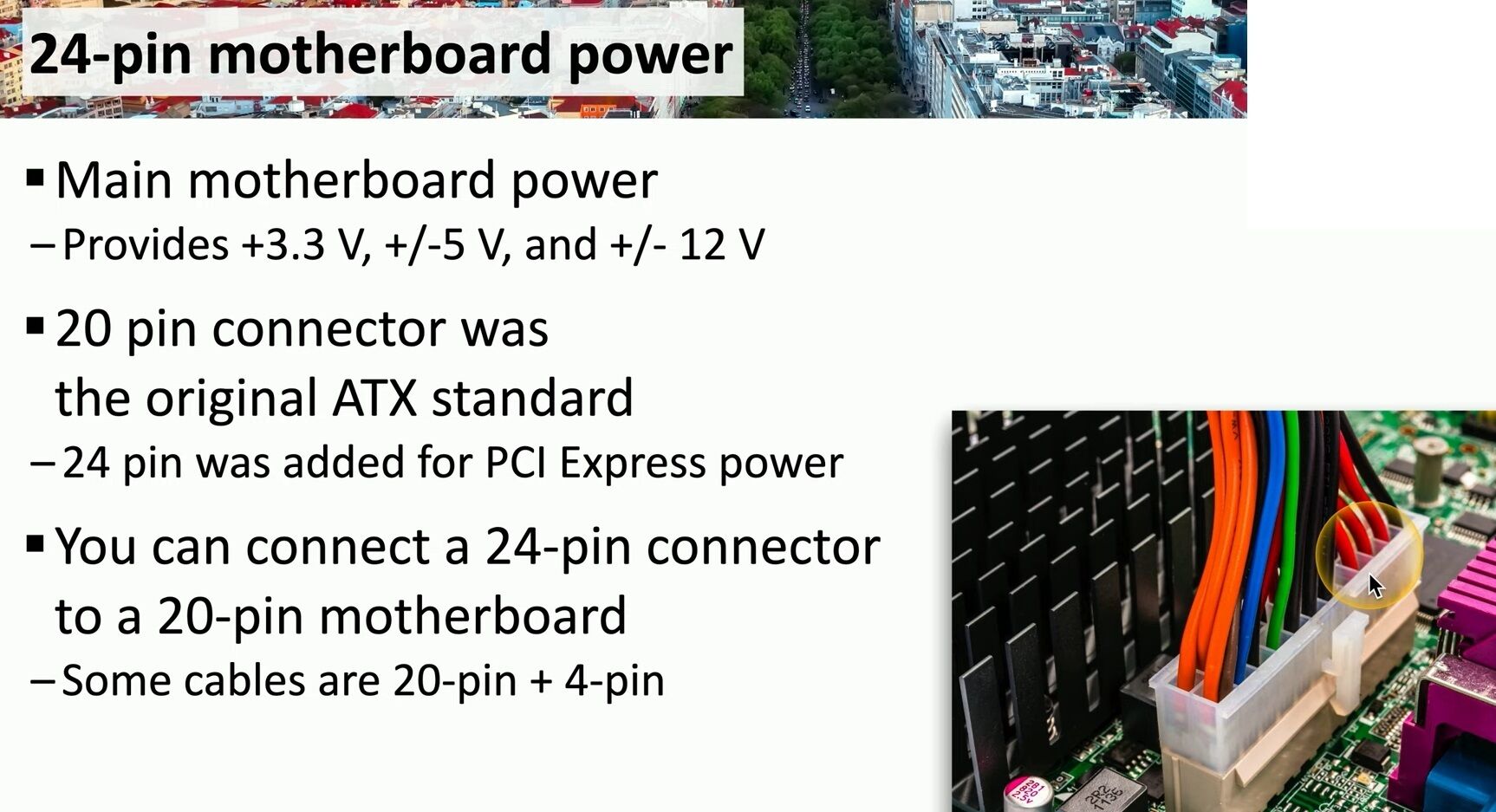
However, backward compatibility is still in place. If you have a motherboard that only supports a 20-pin connector, don’t worry. You can still use a 24-pin connector by simply attaching it to the 20-pin socket. Some power supplies even offer a 20-pin + 4-pin configuration, allowing flexibility depending on your motherboard type. This design makes it easier for users to upgrade their systems without needing to replace the entire power setup.
In summary, the 24-pin connector plays a pivotal role in powering your entire system. Whether you’re using the 24-pin in full or a 20-pin motherboard, understanding how to connect it correctly ensures that your system operates smoothly and avoids unnecessary power issues.
#PCBuild #MotherboardPower #TechEssentials
 the beginning of matching tips
Leave a comment