 homepage | the beginning of


Embracing the Principle of Least Privilege for Enhanced Security
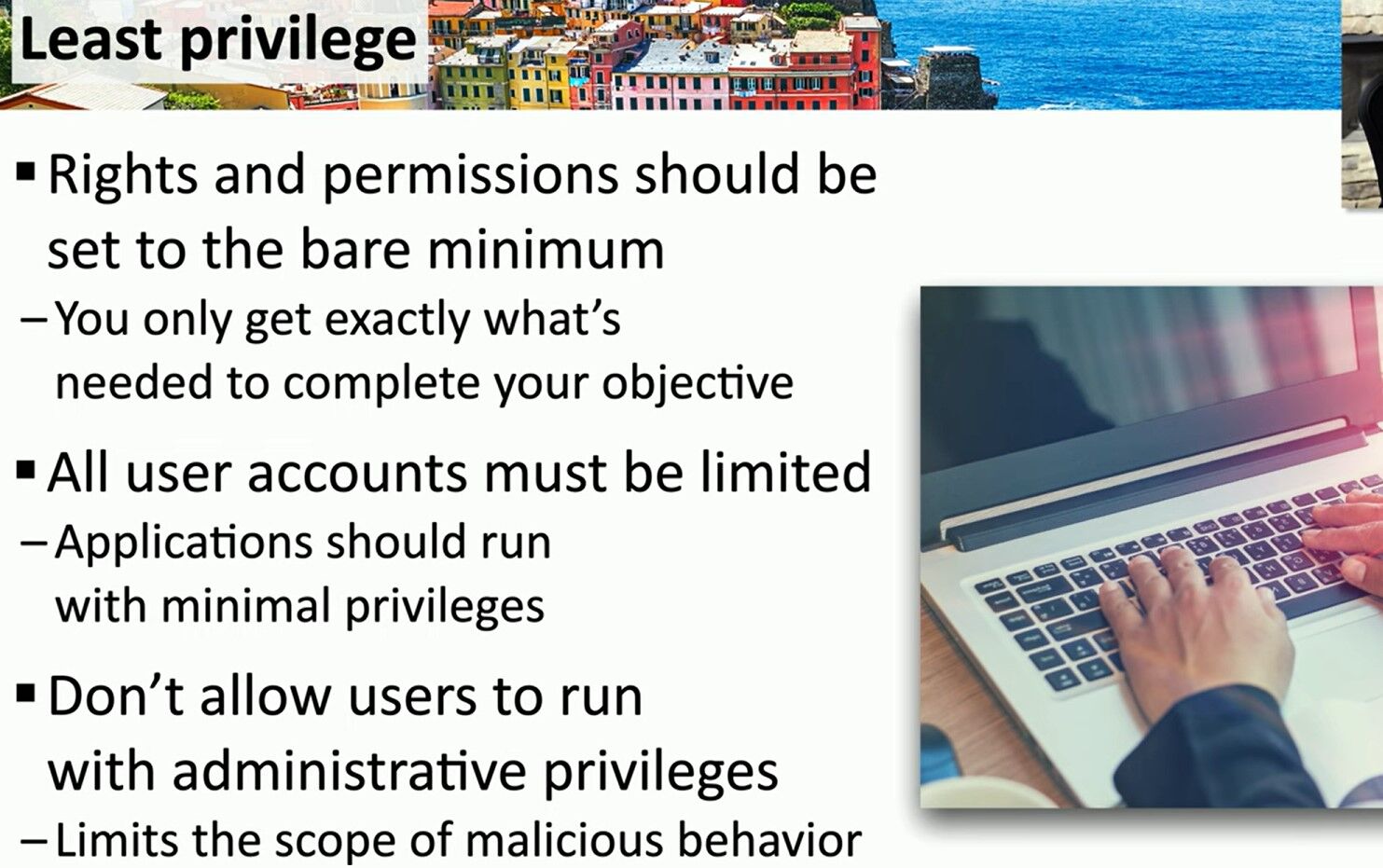
In the realm of cybersecurity, the principle of least privilege is a fundamental concept that plays a crucial role in protecting systems and data. This principle advocates that users and applications should have the minimum level of access necessary to perform their tasks. By implementing least privilege, organizations can significantly reduce the risk of malicious behavior and limit the impact of malware.
Understanding Least Privilege
The principle of least privilege means that user accounts and applications are granted only the permissions they need to accomplish their specific objectives—nothing more. This approach helps to ensure that sensitive data and critical systems are safeguarded against unauthorized access and potential threats.
User Accounts with Minimal Access
User accounts should be limited to the essential permissions required for their roles. For example, employees in a company should only have access to the files and systems they need for their job functions. Regular users should not be allowed to operate with administrative rights. By restricting user privileges, the potential for accidental or intentional misuse is minimized. This also helps in mitigating the damage caused by malware, as malicious software can only operate within the confines of the user’s permissions.
Applications Running with Minimal Privileges
Applications should also be run with the lowest privileges necessary. This practice prevents applications from making unauthorized changes to the system or accessing sensitive data. Running applications with minimal privileges reduces the attack surface and limits the scope of potential exploits.
Why Least Privilege Matters
- Mitigates Risk of Malicious Behavior: By restricting user permissions, you limit the ability of users to execute harmful actions, whether intentional or accidental.
- Limits Malware Impact: Malware operates with the same permissions as the user who runs it. By limiting user privileges, you also limit the capabilities of malware.
- Enhances System Stability: With fewer users and applications having administrative access, there are fewer opportunities for critical system configurations to be altered inadvertently.
- Improves Compliance: Many regulatory frameworks require the implementation of least privilege principles to protect sensitive data.
Best Practices for Implementing Least Privilege
- Role-Based Access Control (RBAC): Assign permissions based on user roles to ensure that individuals only have access to the resources they need.
- Regular Audits: Periodically review user permissions to ensure they align with current job functions and responsibilities.
- Just-In-Time Access: Provide temporary elevated access for users who need it for specific tasks, and revoke it once the task is completed.
- User Education: Educate users about the importance of least privilege and how it protects both their data and the organization.
By adopting the principle of least privilege, organizations can create a more secure computing environment. Limiting access to only what is necessary helps to protect against a wide range of threats, ensuring that both users and systems remain secure.
#CyberSecurity #LeastPrivilege #UserPermissions #AccessControl #MalwareProtection #ITSecurity #NetworkSecurity #DataProtection #RBAC #SecurityBestPractices
 the beginning of matching tips
Leave a comment