 homepage | the beginning of

Understanding RAM Requirements for Optimal Performance
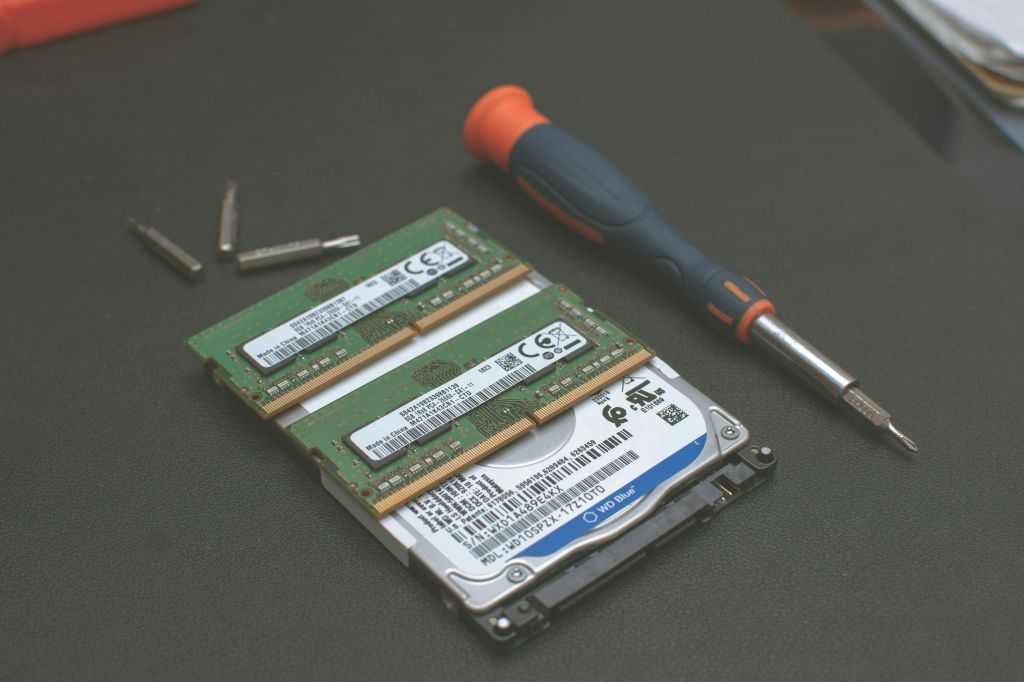
When it comes to ensuring smooth operation of your applications, understanding the RAM requirements is critical. RAM, or Random Access Memory, is a key component that directly affects your computer’s performance. Each application you run has specific memory needs that must be met beyond what the operating system requires.
Firstly, identify the RAM specifications needed by your operating system. For instance, Windows 10 typically needs at least 4GB of RAM to function efficiently. Beyond this baseline, every application you use will demand its own slice of memory. For example, resource-intensive applications like video editing software, 3D rendering programs, or high-end games may require 16GB or more to run smoothly.
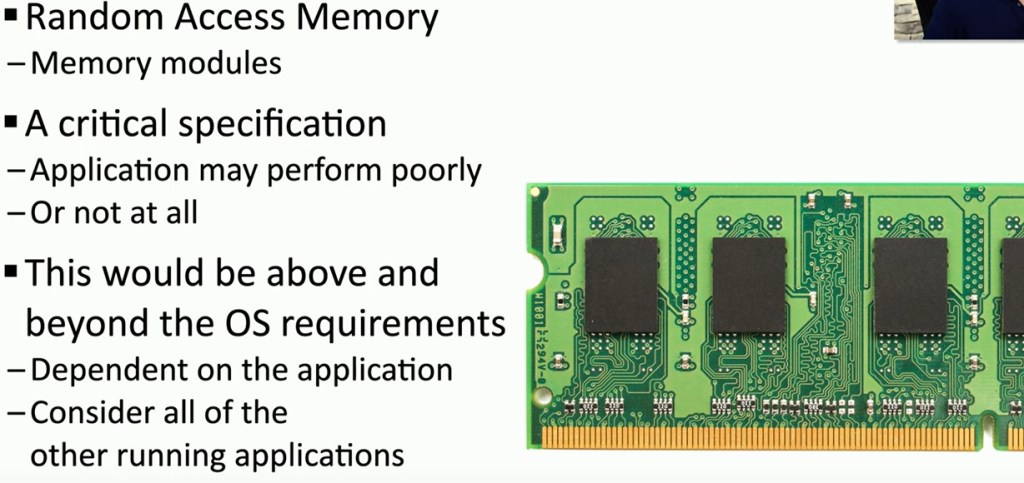
There are different types of RAM modules, such as DDR3, DDR4, and the latest DDR5, each offering varying speeds and capacities. The right module depends on your motherboard’s compatibility and the performance needs of your applications.
Insufficient RAM can lead to significant performance issues. Applications may lag, freeze, or crash entirely, and in extreme cases, your computer may become unresponsive. Therefore, it’s essential to match your RAM capacity with your usage demands to avoid these pitfalls and ensure a seamless computing experience.
Investing in adequate RAM not only enhances application performance but also prolongs your system’s lifespan, providing a more efficient and frustration-free environment.
 the beginning of matching tips
Leave a comment